







Search Results for: too many fines

Coffee Bean Grind Setting 1 to 10 Coarseness Guide | Pour-Over Coffee Grind Standards and Adjustment Methods Reference
Grind size directly determines the extraction direction of a cup of coffee: too fine a grind easily leads to over-extraction and bitterness, while too coarse a grind may result in under-extraction and a weak, bland flavor. Many grinders on the market mark their settings from 1 to 10, but the corresponding coarseness varies across different models. A smaller number usually means a finer grind, but in practice, you need to judge based on your brewing method. Drawing on the hands-on experience of Front Street Coffee, this article sorts out the grinding ranges for common brewing methods such as espresso, pour-over, siphon, and French press, explains whether medium-light roast and medium-dark roast coffee beans are better suited to a medium-fine or medium-coarse grind for pour-over, and provides specific steps for using a 0.85mm No. 20 sieve to check the passing rate, helping coffee enthusiasts find the right grinding parameters. [more…]
How to Fine-Tune the EK43 Grinder Settings? A Detailed Guide to Quickly Verifying Pour-Over Coffee Grind Size
Grind size is the key variable that determines the success or failure of a cup of coffee extraction. If the grounds are too fine, they tend to over-extract and become bitter; if the grounds are too coarse, the extraction is insufficient and the flavor is weak. Starting from the practical experience of Front Street Coffee, this article systematically explains the mechanism by which grind setting affects extraction efficiency, sorts out the grind ranges corresponding to different brewing methods such as espresso, pour-over, and French press, and focuses on explaining the setting of the EK43s grinder in the pour-over scenario—medium-light roast beans are recommended at 10, and medium-dark roast beans at 10.5. It also introduces the specific operation of using a 0.85mm No. 20 sieve for sifting verification, helping coffee enthusiasts quickly judge and correct the grind size, so that every cup of coffee can consistently present the ideal flavor. [more…]
Analysis of Why Hand Coffee Grinders Produce Too Many Fines: A Comparison of Conical vs. Flat Burr Structures
In the coffee grinding process, the production of fines is almost an unavoidable phenomenon, regardless of whether one uses expensive professional-grade grinders or entry-level manual grinding equipment. However, the proportion of fines directly affects the stability of brewing and the final flavor presentation. Choosing a suitable grinder can, to a certain extent, help us reduce the troubles caused by fines. Front Street Coffee specifically conducted a comparative test on the differences in fines generation between manual coffee grinders and electric coffee grinders, analyzing the differences in grinding performance between the two from the perspective of burr structure, helping coffee enthusiasts more clearly understand the characteristics of different devices in grinding function, so as to make choices that better suit themselves. [more…]
How to Interpret Coffee Grind Settings from 1-10? A Detailed Guide to EK43 Grinder Calibration and Pour-Over Coarseness Selection
Grind size has a decisive influence on the final flavor of a cup of coffee: if the grounds are too fine, over-extraction is likely; if too coarse, under-extraction may occur. Faced with the 1-to-10 settings on a grinder, many coffee enthusiasts don't know how the numbers correspond to coarseness, nor are they clear about what grind level to choose for different brewing methods. Drawing on the practical experience of Front Street Coffee, this article systematically sorts out the standards for coffee grind size, the appropriate grind levels for common brewing methods, and the reference values for the EK43 grinder. It also explains in detail how to use a 0.85mm No. 20 sieve for sieve verification, helping you accurately judge and adjust grind size at home, so that every cup of coffee can consistently present its ideal flavor. [more…]
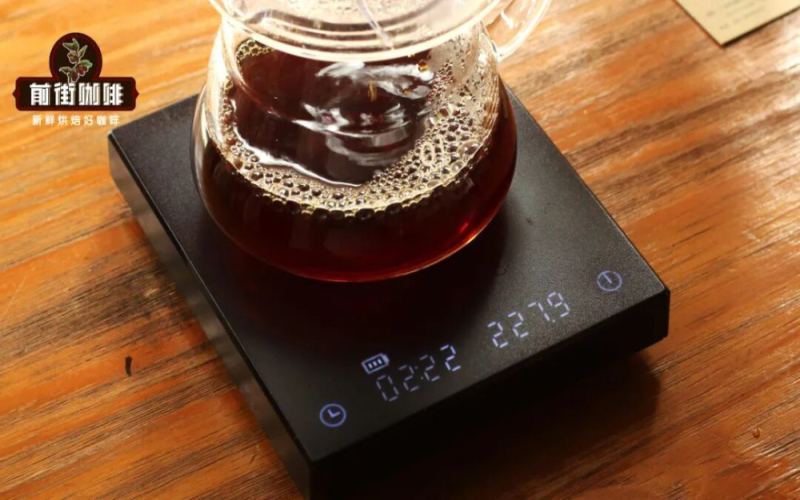
Pour-over coffee draining slowly or taking too long to extract—what to do? Find out the causes of water pooling and practical adjustments.
In pour-over coffee, extraction time is often the most difficult variable to control. Many coffee enthusiasts, when brewing at home, have encountered the situation where hot water is slow to drain through and the time gets dragged out. To avoid over-extraction, some people remove the dripper early, but is this really effective? Starting from the brewing framework commonly used at Front Street, this article sorts out several main reasons for slow flow and water retention, including too many fines, improper pouring technique, and the characteristics of light-roasted beans, and offers corresponding solutions to help you improve your brewing performance without changing equipment. [more…]
Analysis of the Causes of Burnt, Bitter, and Astringent Flavors in Pour-Over Coffee and Corresponding Adjustment Methods
Many coffee enthusiasts who brew pour-over at home often run into the problem of coffee tasting bitter or even showing burnt, astringent notes. This bitterness may come from the roast profile of the beans themselves, and it can also be closely tied to how long the beans have been stored, the grind size, the proportion of fines, and the brewing water temperature. Drawing on the hands-on experience of Front Street Coffee, this article analyzes four common causes of bitterness one by one and offers concrete, actionable adjustments—including how to choose beans based on flavor descriptions, how to judge the optimal flavor window, how to calibrate grind size, and how to troubleshoot water temperature issues—to help you pinpoint the problem more accurately and brew a smoother pour-over coffee. [more…]
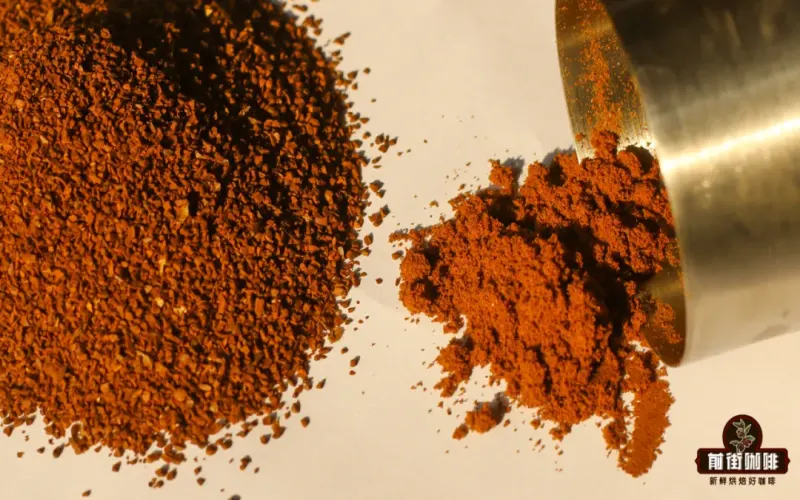
How to deal with too many coffee fines? The differences between fines and coarse particles in pour-over grinding and how to handle them
In the grinding stage of pour-over coffee, the production of fines is almost unavoidable. These tiny particles, with a diameter of less than 0.1mm and a texture close to flour, are far off from the target particle size of 0.6~0.8mm. The source of fines is related both to the brittleness of the coffee beans themselves and directly affected by the quality of the grinder. For coffee enthusiasts, understanding the dual nature of fines—they can both improve extraction efficiency and enrich complexity, and may also bring bitterness and clogging—is the key to brewing the ideal flavor. This article will analyze the causes of fines, the differences between coarse and fine particles, and strategies for dealing with them during pour-over brewing, and provide reference in combination with the practical experience of Front Street Coffee. [more…]
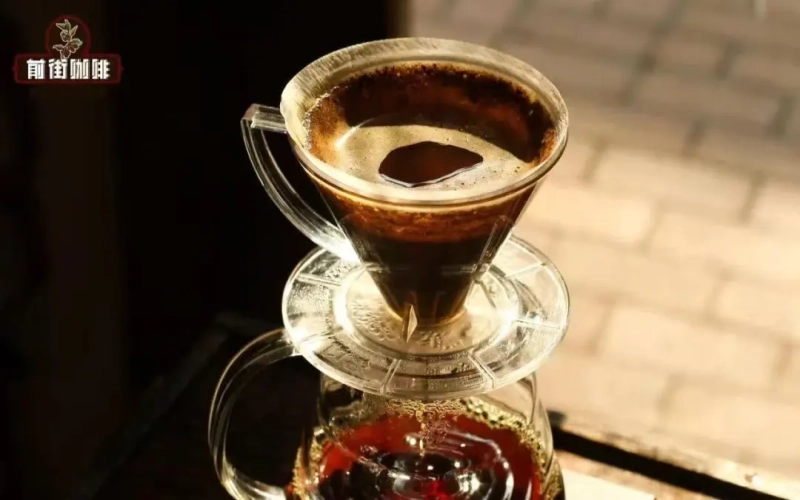
How to Fix Slow Drawdown in Pour-Over Coffee? A Full Analysis of the Three Major Factors: Fines, Agitation, and Bean Density
When brewing pour-over coffee, water failing to drain through the dripper is a problem many enthusiasts encounter. The causes of clogging are not singular—too many fines, overly vigorous agitation, and high bean density can all slow the flow. This article starts from these three common factors, analyzing each cause one by one and offering corresponding ways to improve them—including coarser grinding with a slower extraction, using a sifter, and adjusting pouring technique. At the same time, it will explain that clogging does not necessarily mean over-extraction, and whether to make adjustments should ultimately be based on how the coffee tastes on the palate. Front Street Coffee will share its brewing experience with high-density beans, using the Yirgacheffe Giddingding from its own bean list. [more…]
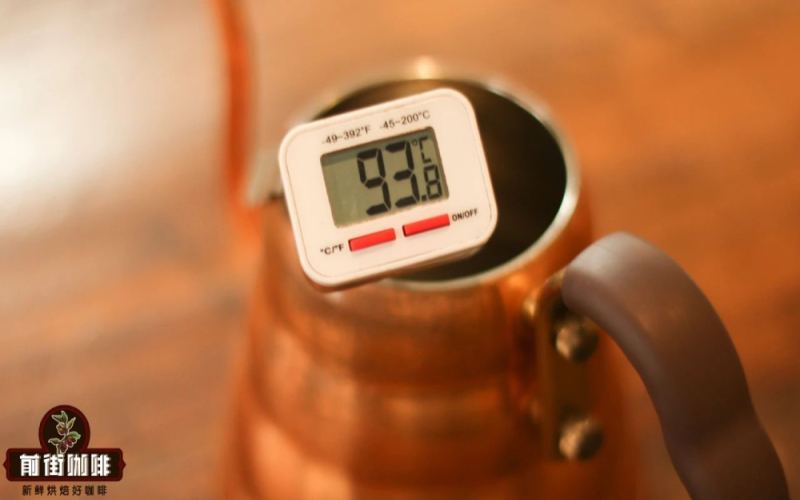
Coffee Grind Size Comparison Guide: Grind Standards and Extraction Parameters for Pour-Over, Espresso, and Moka Pot
In coffee brewing, the grind size has a crucial impact on flavor. If the coffee grounds are too coarse, extraction will be insufficient and the taste will be weak; if too fine, it easily brings out bitterness. This article will systematically sort out the grind size standards corresponding to three brewing methods: pour-over, espresso, and moka pot, and provide extraction ratio and time references. The pour-over section will distinguish the grind pass rate, water temperature recommendations, and sieving verification methods for medium-light and medium-dark roasted beans; the espresso section explains the extremely fine grind and adjustment logic under 9 bar high pressure; the moka pot section introduces the suitable grind range and bean selection approach under 1.5-3 bar pressure, while retaining Front Street Coffee's practical data and product recommendations, making it convenient for coffee enthusiasts to adjust by comparison. [more…]
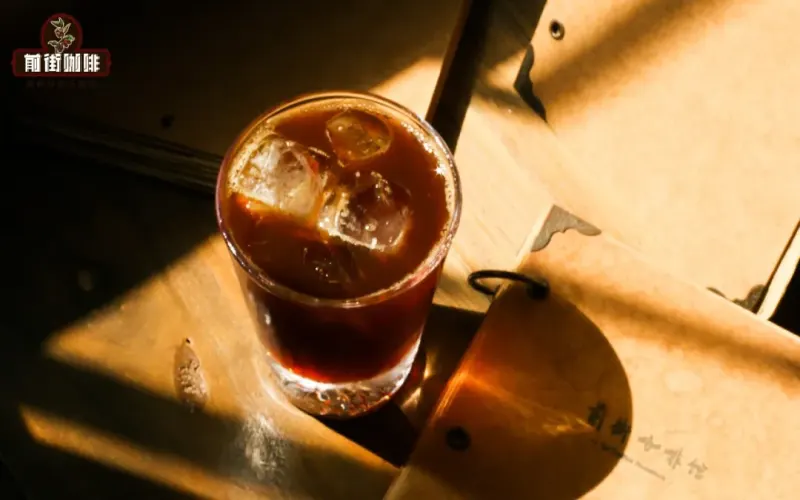
A Complete Guide to Making Cold Brew Coffee at Home: Master the Right Grind and Brewing Method to Easily Achieve a Sweet, Flavorful Cup
Cold brew coffee is loved by many coffee enthusiasts for its high sweetness, low acidity, smooth mouthfeel, and low barrier to entry. However, many people find when they try it at home that the finished product tastes weak and thin, and even grinding the coffee finer doesn't seem to help. The root of the problem may actually lie in grinding too fine—the fine particles clump together after absorbing water, which instead reduces extraction efficiency. This article will systematically analyze this counterintuitive phenomenon and offer three practical solutions: coarsening the grind, portioning the coffee grounds into tea bags, and stirring at regular intervals during the steeping process. At the same time, Front Street will also share coffee bean selections suitable for cold brew and specific brewing parameters, to help you easily make a rich, full-bodied cup of cold brew coffee at home. [more…]
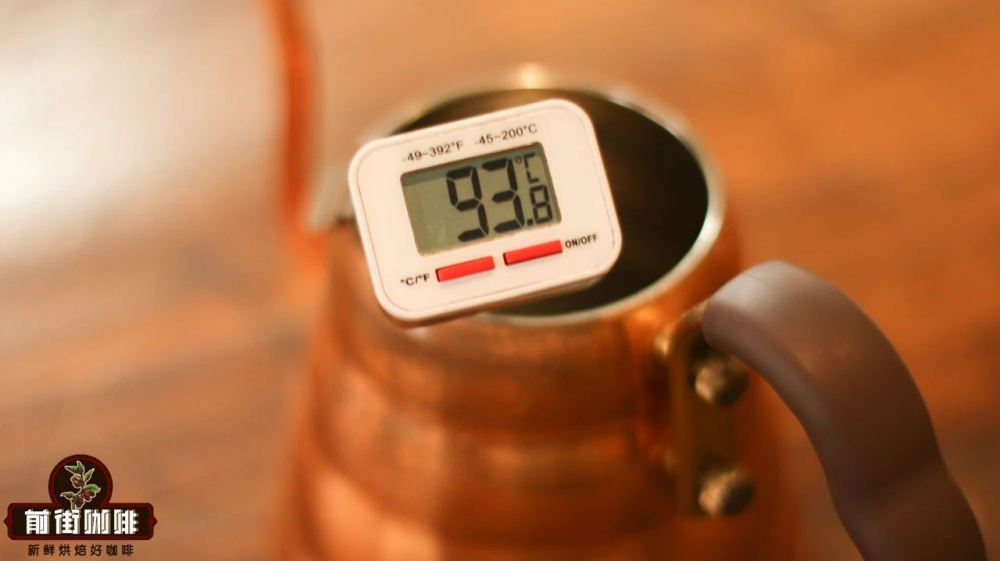
Coffee Ground Size Standards Illustrated | How to Use a Coffee Sieve? Moka Pot and Espresso Bean Grind Size Parameters, Extraction Ratio, and Time Introduction
There are many factors that affect the taste of coffee. During the brewing process, the factors that influence coffee include the coffee-to-water ratio, grind size, water temperature, etc. Among them, grind size can be said to be very important. There is a saying in the industry: "You can buy a cheaper coffee machine, but the grinder must be the best." It has to be said that grinding really has an [more…]
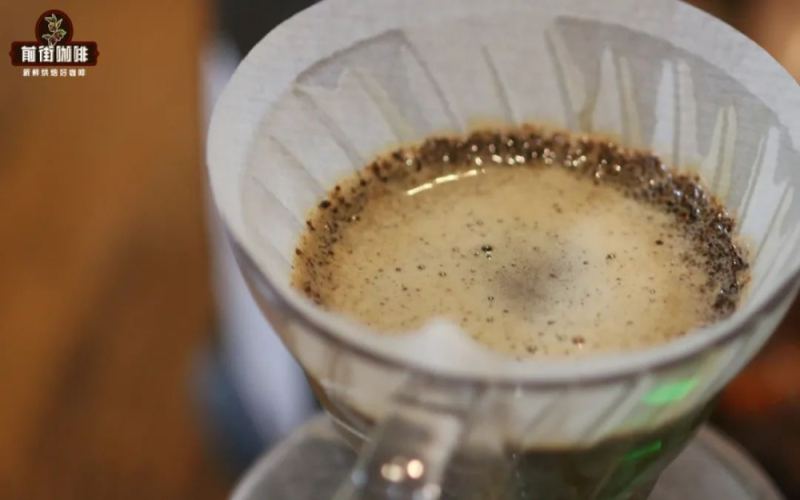
Coffee Bean Grinding | Which Coffee Grind Is Finest on a Grinder Scale from 1 to 10? How Do You Adjust the Grind Size for Pour-Over Coffee? Reference Guide to Coffee Grind Size Standards
Which grind size from 1 to 10 is the finest for coffee beans? In most cases, the smaller the number, the finer the grounds. The grind size of coffee beans plays an important role in extracting a cup of coffee. For example, if the coffee grounds are too fine and used for pour-over coffee, it will result in over-extraction, while if they are too coarse, it will result in under-extraction. Secondly, factors such as the beans from each producing region [more…]
What to Do If Your Pour-Over Coffee Is Ground Too Coarse? The Pros and Cons of Re-Grinding and Practical Solutions for Adjusting Parameters and Brewing Directly
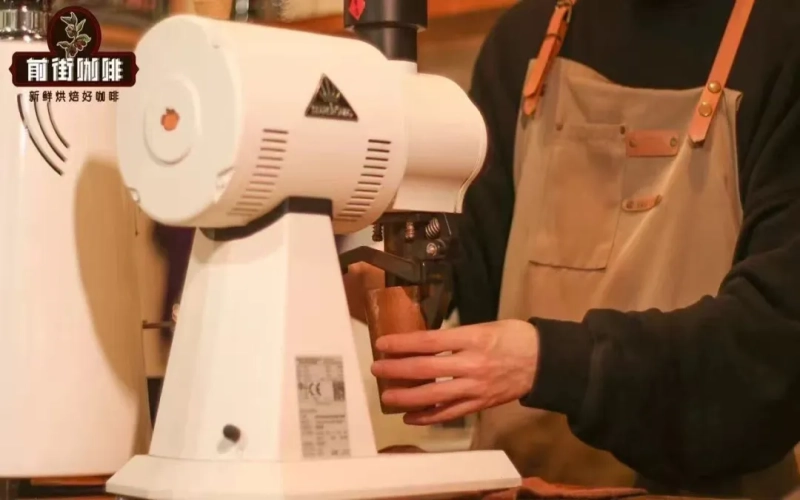
If you accidentally grind your coffee too coarse while making pour-over, can you pour it back into the grinder and grind it finer? This is what's known as re-grinding. Although it's used in professional competitions to improve particle uniformity, it also brings two major problems: an increase in fines and grinder retention. Through experiments, Front Street Coffee found that after re-grinding, nearly 20 grams of grounds might be reduced to only about 13 grams—a shocking loss. If you don't have tools like a bellows, you might want to try a different approach: directly adjust parameters such as water temperature and pouring method, and use the coarser grounds to brew a good cup of coffee. This article uses Panama Elida Anaerobic Natural Catuai as an example to share a specific brewing plan, so you can handle unexpected situations with ease. [more…]
How Fine Should You Grind for Pour-Over Coffee? A Full Breakdown of Hand Grinder vs. Electric Grinder Differences
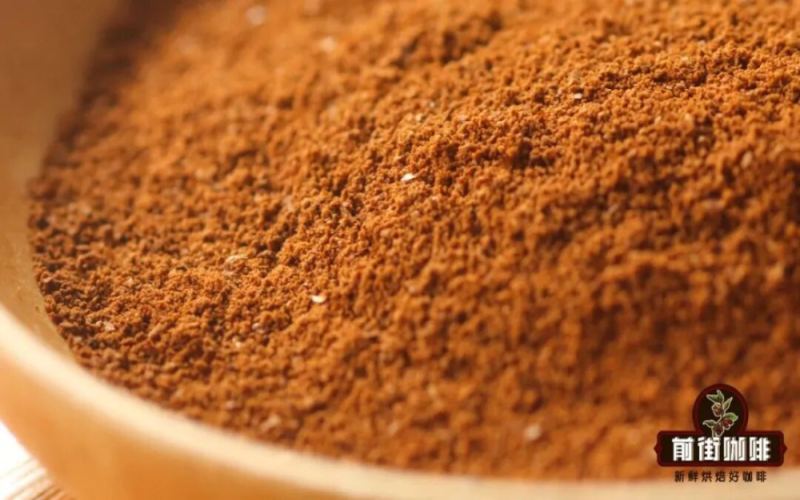
Among the many variables in pour-over coffee, grind size is a key link that determines the direction of extraction. Particle size directly affects the contact area between water and coffee grounds, which in turn influences flavor expression: too coarse leads to under-extraction, while too fine may cause over-extraction and bitterness. However, many beginners often fall into pitfalls when adjusting the grind—memorizing settings, making drastic grind adjustments, and ignoring uniformity. This article will start from the basic principles of grinding, analyze these common problems one by one, and with the help of Front Street · Little Tomato's comparative test, demonstrate the actual differences between electric grinders and hand grinders in particle distribution and flavor presentation, and finally provide purchasing advice for entry-level equipment to help coffee enthusiasts establish a scientific approach to grind adjustment. [more…]
Pour-Over Coffee Grind Size 1-10 Explained: A Complete Guide to Coarseness Standards and Adjustment Methods
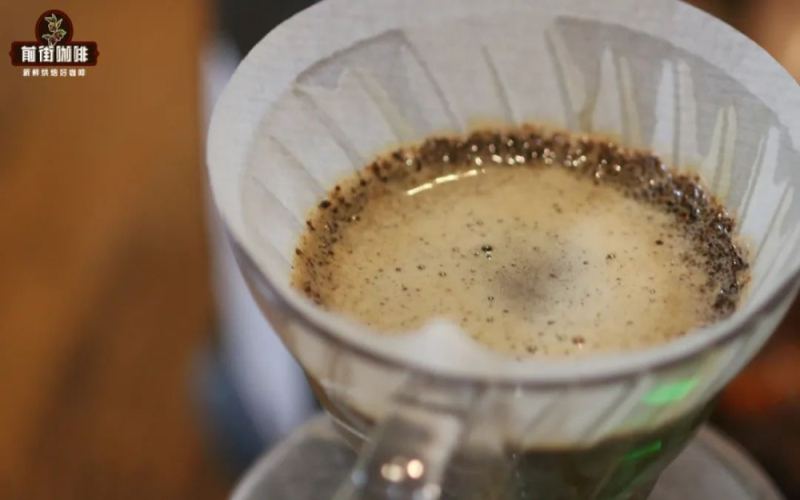
Grind size is the key variable that determines the success or failure of a cup of coffee's flavor. Facing the 1 to 10 settings on a grinder, which number actually represents the finest? And how should different brewing methods match grind coarseness? Starting from Front Street Coffee's hands-on experience, this article systematically sorts out the mechanisms by which grind size affects extraction efficiency, compares the grind standards for common brewing methods such as espresso, pour-over, siphon, and French press, and focuses on explaining grind recommendations for medium-light and medium-dark single-origin beans in pour-over scenarios, water temperature pairing, and how to use a 0.85mm No. 20 sieve to precisely calibrate grind size, helping coffee enthusiasts establish clear adjustment logic. [more…]
Where Does the Bitterness in Pour-Over Coffee Come From? A Detailed Guide to Four Common Causes and How to Adjust
When brewing pour-over coffee, the appearance of bitterness is a problem many coffee lovers frequently encounter. The source of bitterness is not singular—it may come from the roasting profile of the coffee beans themselves, or it may be closely related to how long the beans have been stored, the coarseness of the grind, and the brewing water temperature. This article analyzes the causes of bitterness one by one from four dimensions and provides specific adjustment plans to help you brew a smooth cup of pour-over coffee at home. It also offers references for bean selection based on different flavor preferences and retains several recommended bean lists from Front Street Coffee for readers to choose from as needed. [more…]
Pour-Over Coffee and Espresso Grind Size Explained: Coarseness Standards, Sieve Pass Rates, and the Science Behind Moka Pot Crema
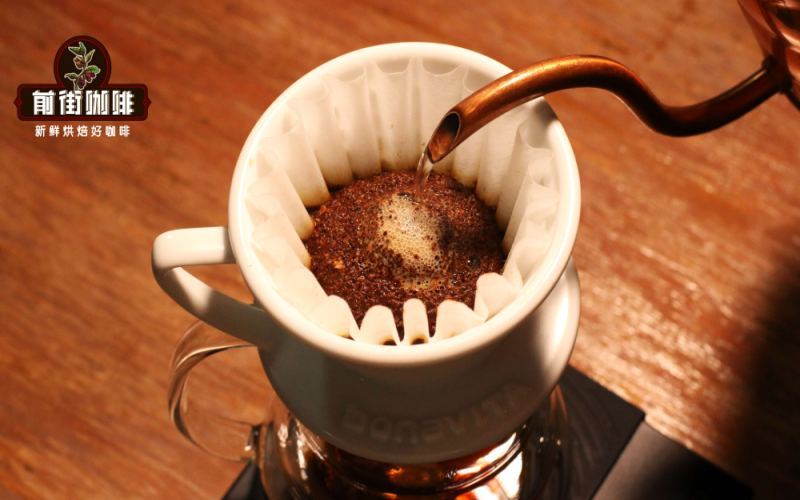
Grind particle size is one of the key variables that determines the direction of coffee flavor. Starting from the practices of Front Street Coffee, this article systematically reviews the influence of grind size on extraction efficiency in pour-over coffee, the grind standards suited to medium-light and medium-dark roasts respectively, and how to use a 0.85mm No. 20 sieve to test the pass-through rate. It also extends to the extremely fine grind requirements of espresso, explains the effect of the grinder burr spacing on extraction time, and provides the specific extraction parameters and flavor description of Front Street espresso. In addition, the article also explains the relationship between the choice of Moka pot coffee grounds coarseness and the oils it produces, helping coffee enthusiasts find a grind plan suitable for their own equipment at home. [more…]
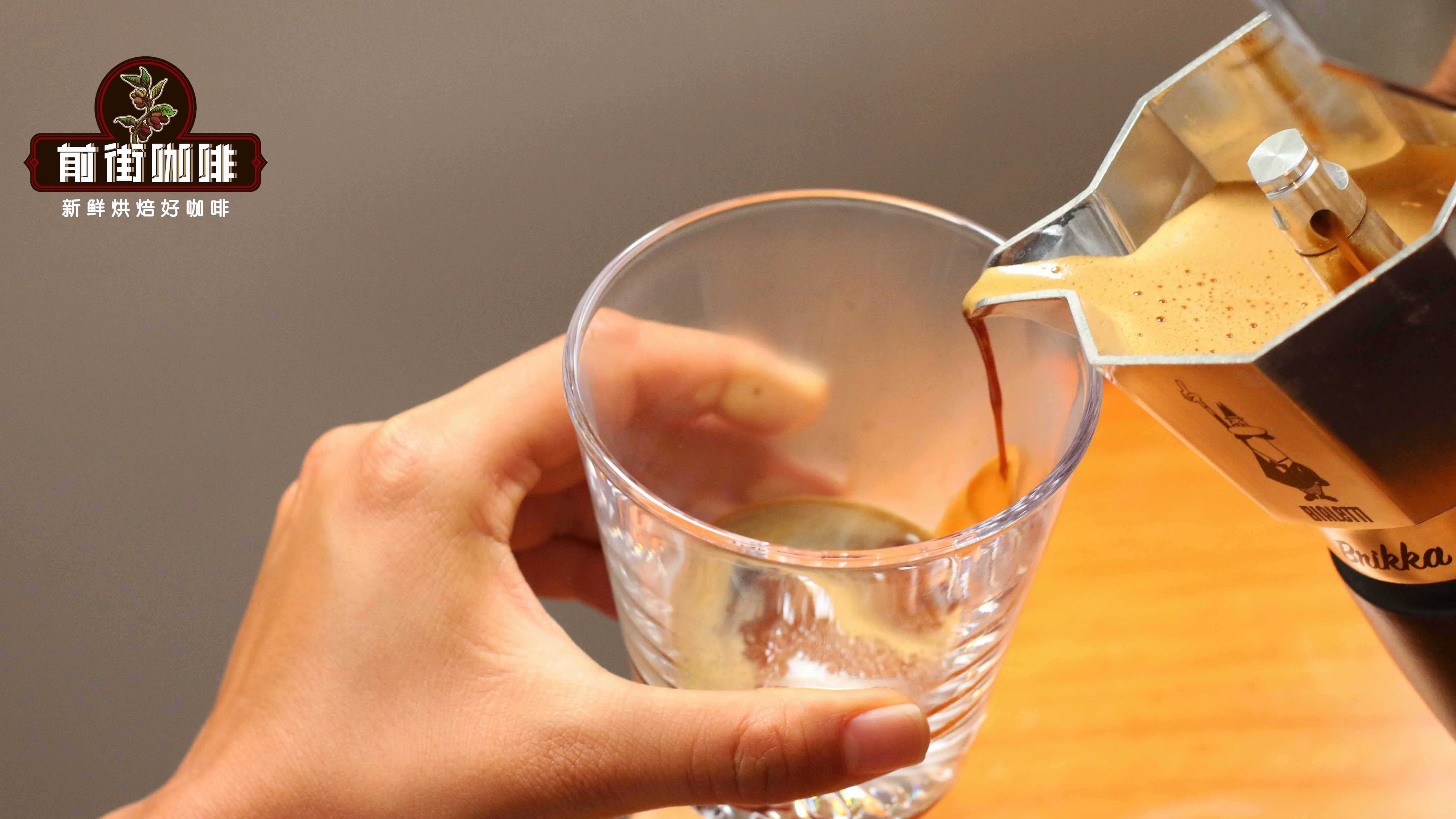
How to Choose the Coffee Grounds Setting for a Moka Pot? A Complete Guide to Grind Size Judgment and Safe Use
Using a moka pot looks simple, but the grind size for the coffee grounds gives many beginners a headache—too coarse and the flavor is weak, too fine and the coffee liquid struggles to flow out or even over-extracts. Grind size directly affects the extraction yield, working in tandem with contact time and flow rate. The moka pot is a pressure-driven device, operating at about 1.5 bar, with a grind size close to espresso but slightly coarser, and a particle diameter of about 0.3–0.55 mm. This article provides two methods: measuring with a particle size ruler and judging through dialing in, and offers adjustment suggestions based on Front Street Coffee's Classic Blend and Front Street Coffee's Strawberry Candy Espresso Blend. Finally, it reminds readers of the safety points for using the pressure relief valve, helping coffee lovers achieve consistent results. [more…]
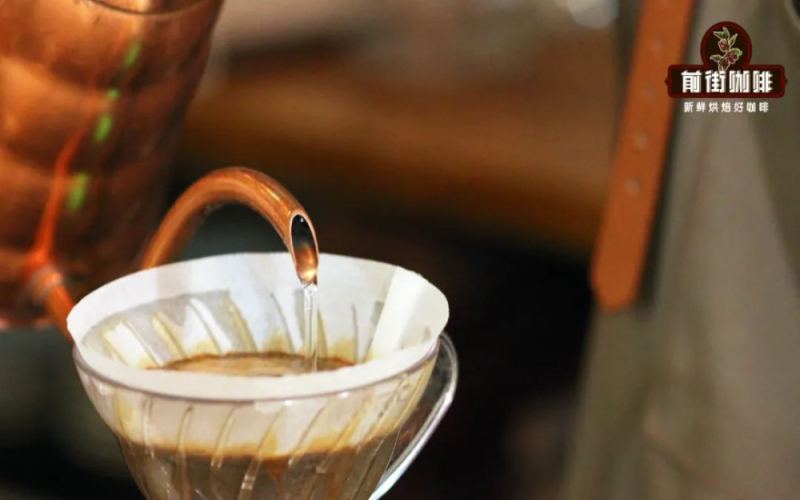
Too Many Fines in Pour-Over Causing Bitterness? Try the Low-Temperature Bloom Method to Lower Extraction Yield
In pour-over coffee, over-extraction is one of the main causes of bitterness, and the excessive fines produced by underperforming grinders often exacerbate this problem. Front Street Coffee has previously introduced the stepped temperature-decline extraction method to reduce the extraction rate in the middle and latter stages, and this time we'll share using low-temperature water for the blooming stage. Emi, the 2018 WBrC champion, once adopted a low-temperature blooming strategy, using a valve dripper to alternate immersion and drip extraction, with the aim of gently extracting sweetness and avoiding a dry finish. Front Street tested with Ethiopian Hualigui beans, which had a fines rate of 14% when ground with a hand grinder, and produced a lingering dry bitterness after conventional brewing. By adjusting the blooming water temperature to 83°C, extending the blooming time to 35 seconds, and then raising the water temperature to 93°C for subsequent pours, the result was a balanced flavor with rich berry-like sweetness and acidity, a noticeable tea-like aftertaste, and no bitterness. If you've also struggled with over-extraction, you might want to consider this approach. [more…]
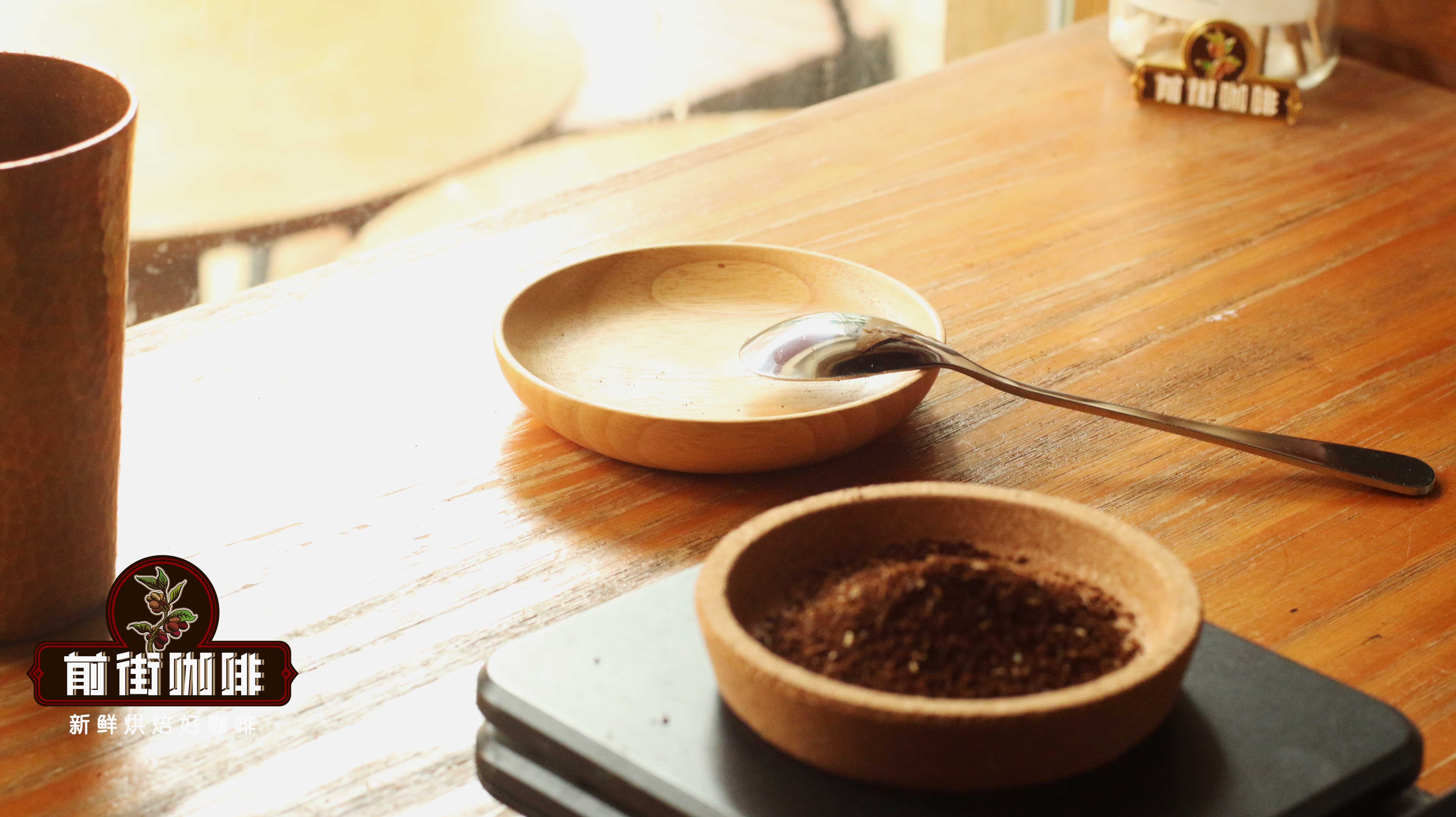
Coffee Grinder Brand Recommendations | Does a Larger Grind Setting on a Coffee Grinder Mean Finer Powder? Is There a Difference in Grind Size Between Strawberry Candy Geisha Blend and Golden Mandheling Coffee?
Coffee beans need to be freshly ground to fully appreciate their aroma, which shows how important grinding is for coffee beans. When grinding, many people have a misconception—namely, which setting they should choose. Generally, the largest number means a coarser grind, and the smallest number means a finer grind. However, every coffee machine, during assembly, transportation, and [more…]